
Ingrown Toenails
Ingrown Toenail Treatments in Portsmouth & Nashua, NH
Get relief from a painful, infected, or recurring ingrown toenail. Northeast Foot & Ankle offers convenient in-office treatment to remove the problem nail edge and help prevent it from coming back.
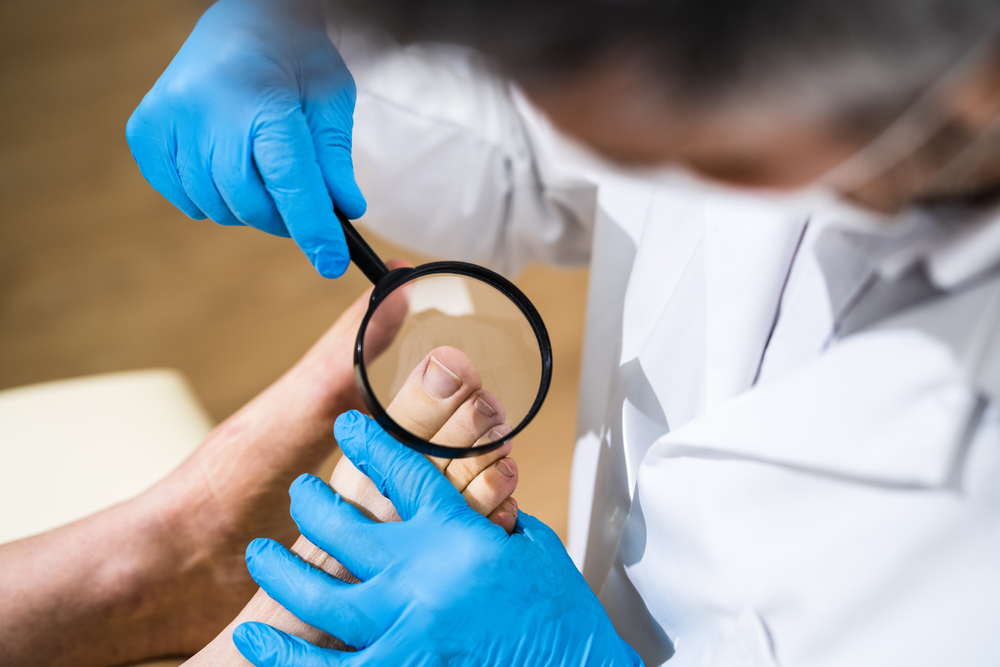
When Should You See a Podiatrist for an Ingrown Toenail?
You do not need to wait until an ingrown toenail becomes severely painful or infected to seek treatment. Early care can relieve pressure on the surrounding skin and prevent the condition from getting worse.
Schedule an evaluation if:
- Your toe is painful or tender
- Redness or swelling is increasing
- Wearing shoes has become uncomfortable
- You notice pus or drainage
- The surrounding skin is growing over the nail
- The same toenail keeps becoming ingrown
- Home care has not improved your symptoms
- Pain is interfering with work, exercise, or daily activities
Contact our office promptly if you have diabetes, poor circulation, neuropathy, a weakened immune system, or another condition that may affect healing.
Featured Ingrown Toenail Treatments
Treatment depends on how deeply the nail has grown into the skin, whether infection is present, and whether the problem has happened before.
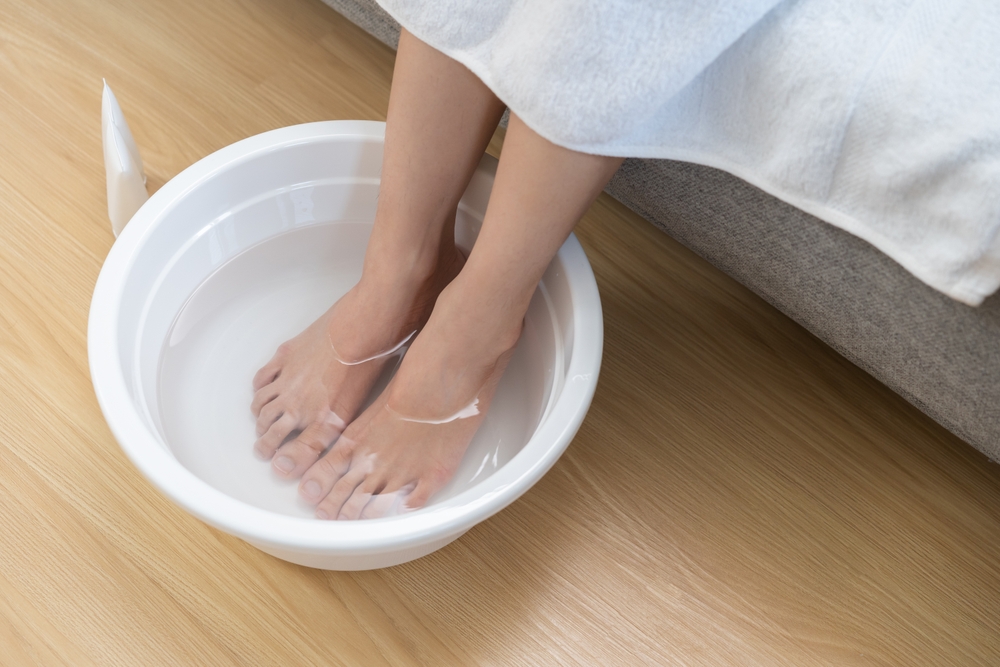
Conservative Care
For a mild ingrown toenail, your podiatrist may recommend steps to relieve pressure, protect the skin, and allow the nail to grow forward properly.
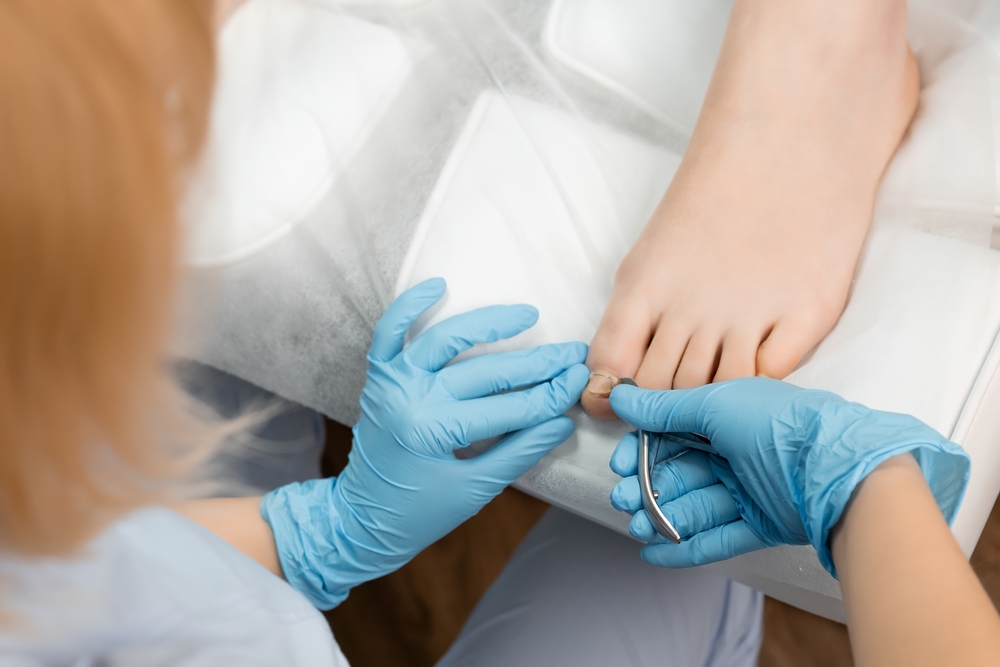
Partial Toenail Removal
For a painful, inflamed, or infected ingrown toenail, the affected portion of the nail can usually be removed during a brief in-office procedure using local anesthetic.
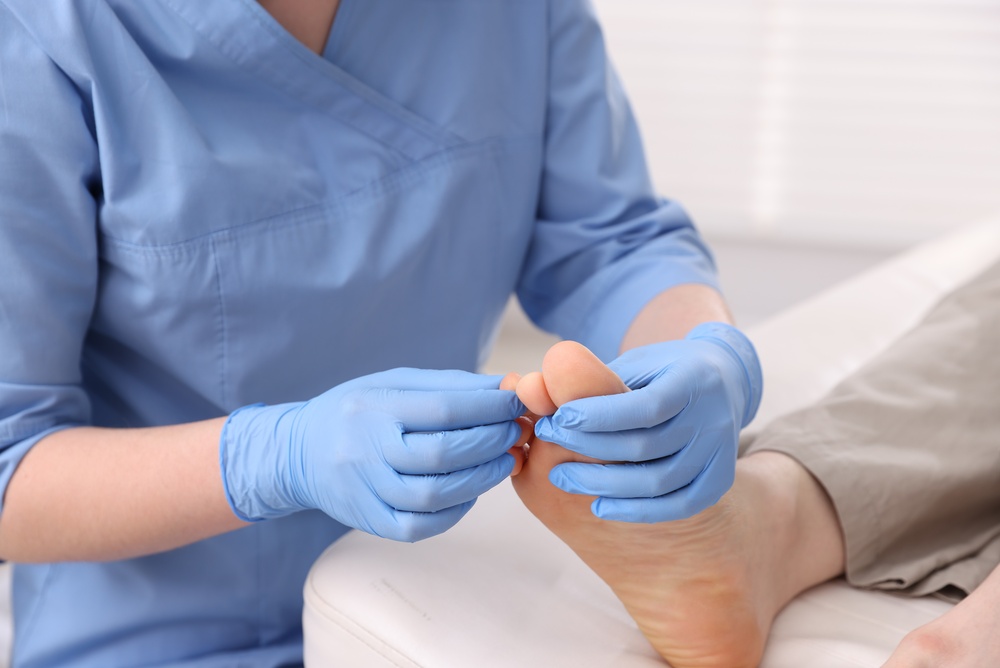
Treatment for Recurring Ingrown Toenails
If the same nail keeps becoming ingrown, the nail root along the problem edge can be treated to help prevent that portion from growing back.
Can I Treat an Ingrown Toenail at Home?
An ingrown toenail can develop for several reasons.
A very mild ingrown toenail may improve with conservative care when there are no signs of infection and you do not have a medical condition that affects circulation, sensation, or healing.
For a mild case, you may be able to:
- Soak the foot in warm water
- Keep the toe clean and dry
- Wear roomy or open-toed shoes
- Avoid pressure on the affected toe
- Allow the nail to grow without cutting into its corners
Do not dig beneath the nail, tear away the nail edge, cut a V-shaped notch into the nail, or attempt to remove the ingrown portion yourself. These approaches can injure the skin, leave a sharp nail fragment behind, and increase the risk of infection.
Schedule an appointment if the pain is increasing, home care is not helping, or you are unsure whether the toe is infected.

What Causes Ingrown Toenails?
An ingrown toenail can develop for several reasons.
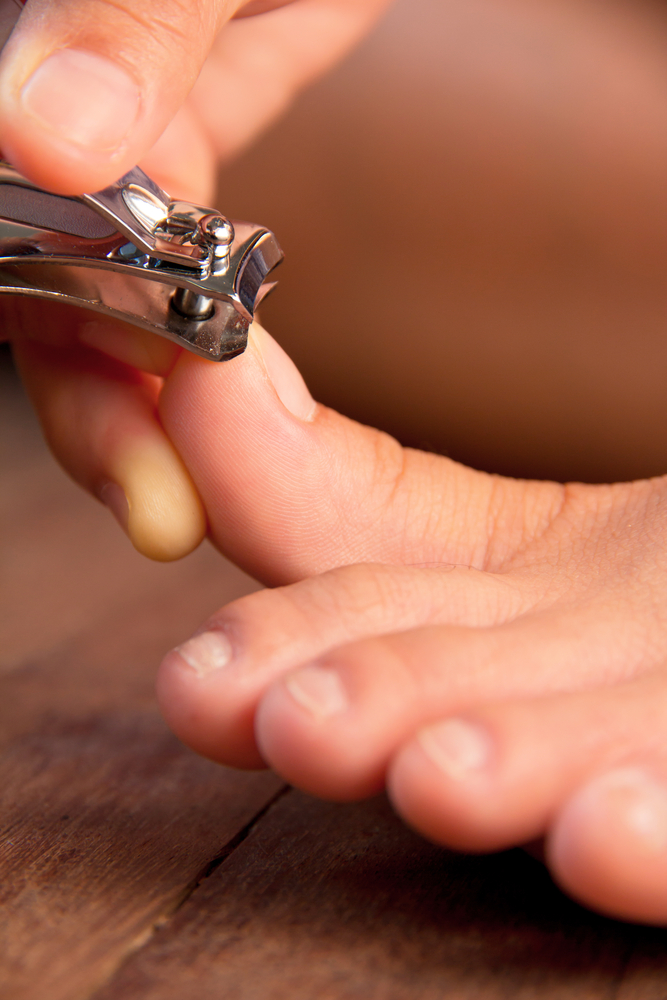
Cutting the Nail Too Short – Trimming a toenail too short or rounding the corners can encourage the surrounding skin to fold over the nail as it grows.
Tight or Poorly Fitting Shoes – Shoes with a narrow toe box can press the nail into the surrounding skin. Shoes that are too loose may also allow the foot to slide forward, repeatedly striking the toes.
Toe Injuries – Stubbing a toe, dropping something on the foot, or experiencing repetitive pressure during sports can change the way the nail grows.
Naturally Curved Toenails – Some people have toenails that are naturally curved or wide, making them more likely to grow into the skin.
Nail Conditions – A thickened, damaged, or fungal toenail may begin growing in a different direction and place additional pressure on the surrounding skin.
Repetitive Activity – Running, kicking sports, and activities that repeatedly place pressure on the toes can increase the risk of an ingrown nail.
Understanding why the nail became ingrown can help your podiatrist recommend treatment and reduce the likelihood that it will happen again.
How Can You Prevent Ingrown Toenails?
Not every ingrown toenail can be prevented, especially when the natural shape of the nail is the primary cause. However, proper nail care and footwear can reduce your risk.
- Trim Toenails Straight Across. Avoid cutting deeply into the corners or rounding the nail to follow the shape of the toe. Leave the nail long enough that its edges remain above the surrounding skin.
- Wear Shoes With Enough Toe Room. Choose shoes that do not squeeze the toes together or press against the front of the toenail.
- Protect Your Toes. Wear appropriate footwear when working with heavy objects or participating in activities that expose your toes to repeated impact.
- Avoid Picking at the Nail. Pulling, tearing, or digging into the nail corners can damage the skin and create an uneven nail edge.
- Address Thick or Damaged Toenails. If a toenail has become thickened, curved, or difficult to trim, professional nail care may help prevent accidental injury.
Get Relief From Ingrown Toenail Pain!
You don’t need to continue living with a painful or recurring ingrown toenail. We can evaluate the affected nail, relieve pressure, and recommend treatment based on whether the condition is mild, infected, or recurring.
Schedule an appointment at our Portsmouth or Nashua office for professional ingrown toenail treatment.
FAQs: Ingrown Toenails
Where can I get ingrown toenail treatment in Portsmouth or Nashua, NH?
Northeast Foot & Ankle provides professional ingrown toenail treatment at our Portsmouth and Nashua offices. Our podiatrists treat painful, infected, and recurring ingrown toenails, including in-office partial nail removal when appropriate.
Can a podiatrist treat an ingrown toenail during an office visit?
Yes. Many ingrown toenails can be treated during an office visit. Your podiatrist will examine the toe and may remove the narrow portion of the nail growing into the surrounding skin.
Will an ingrown toenail go away on its own?
A very mild ingrown toenail may improve as the nail grows forward and pressure is removed from the toe. A deeply embedded, infected, or recurring ingrown toenail is less likely to resolve without professional treatment.
Should I cut out an ingrown toenail myself?
No. Digging into the nail corner or attempting to remove it yourself can injure the surrounding skin, leave part of the nail behind, and increase the risk of infection.
Does ingrown toenail removal hurt?
The toe is numbed with a local anesthetic before the ingrown section is removed. The injection may briefly sting, but you should not feel sharp pain once the toe is numb.
How long does it take to recover from ingrown toenail removal?
Recovery varies based on the severity of the condition and the procedure performed. Many patients return to normal daily activities quickly, although sports and other activities that place pressure on the toe may need to be limited during healing.
Get Relief From Ingrown Toenail Pain!
You don’t need to continue living with a painful or recurring ingrown toenail. We can evaluate the affected nail, relieve pressure, and recommend treatment based on whether the condition is mild, infected, or recurring.
Schedule an appointment at our Portsmouth or Nashua office for professional ingrown toenail treatment.

Pay Your Bill
Make a payment online through our payment portal or Care Credit!

Portsmouth Office
14 Manchester Square, Suite 250
Portsmouth, NH 03801
Nashua Office
17 Riverside Street, Suite 205
Nashua, NH 03062
Website Hosted by SC Digital