
Lunula Laser for Toenail Fungus
Non-Invasive Laser Treatment in Portsmouth & Nashua, NH
Treat fungal toenails with comfortable, non-thermal laser therapy designed to support clearer, healthier-looking nail growth, with no downtime.
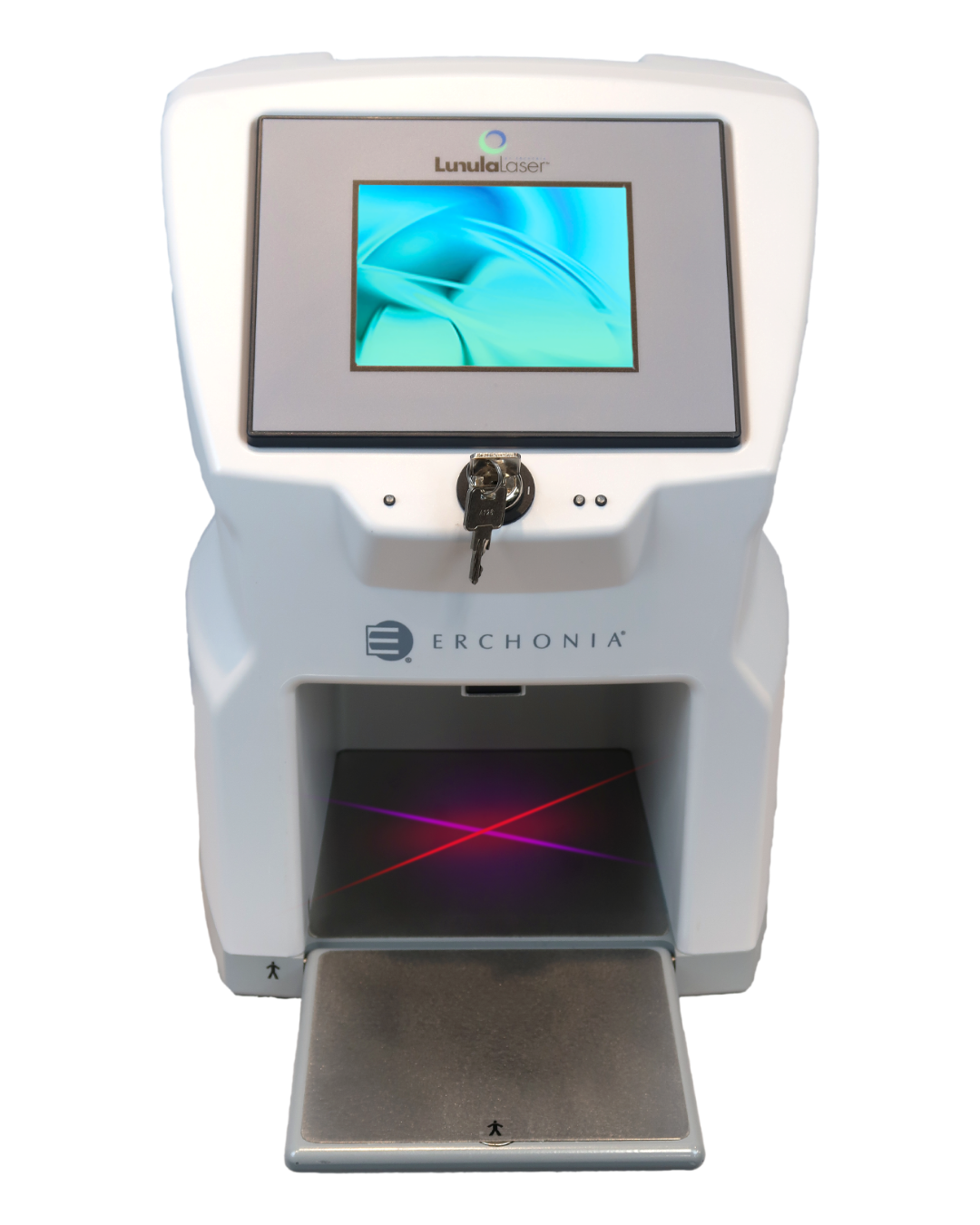
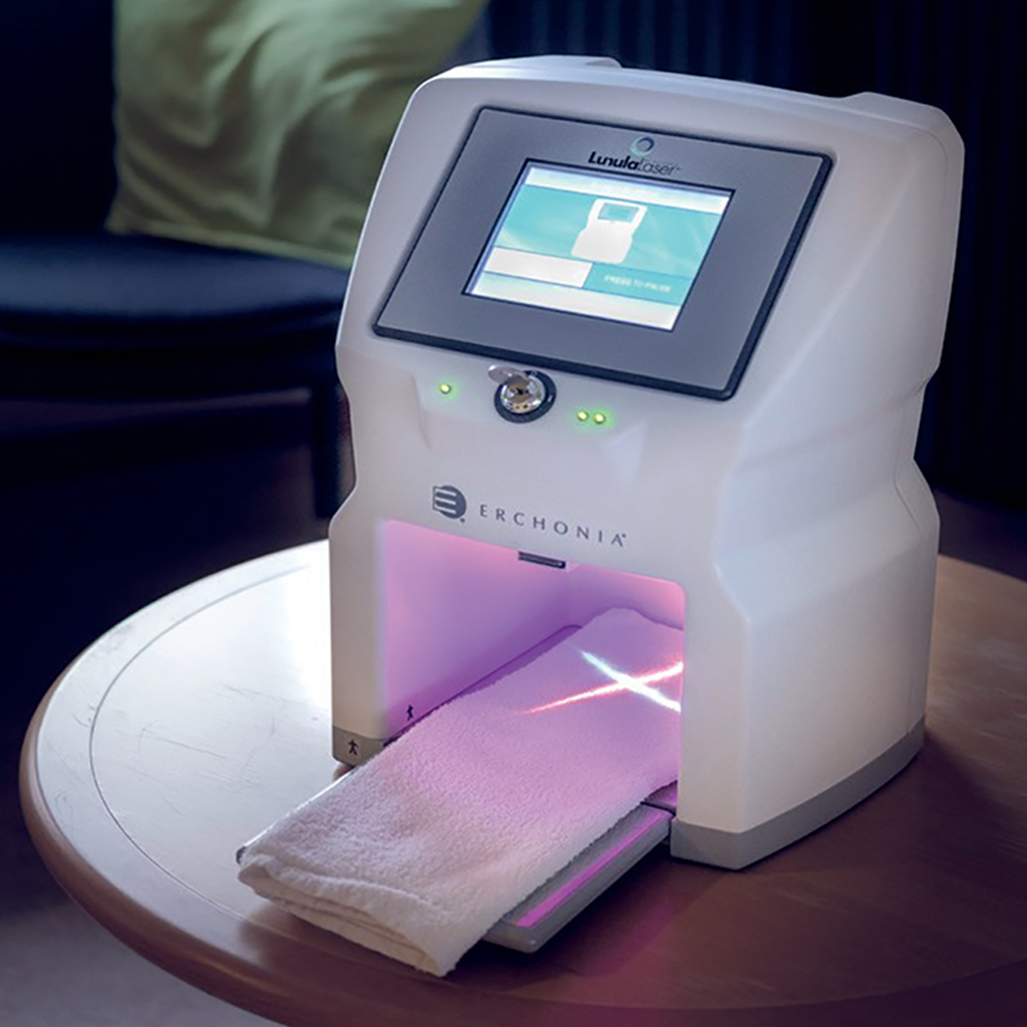
What Is Lunula Laser?
Lunula Laser is an FDA-cleared, low-level laser treatment for fungal toenails, also known as onychomycosis.
Unlike heat-based laser treatments, Lunula uses non-thermal laser energy, so treatment does not burn or damage the nail or surrounding skin. The laser targets the affected nail while supporting the growth of a clearer, healthier-looking nail.
Treatment is performed right in our Portsmouth and Nashua offices and requires no recovery time.
How Does Lunula Laser Work?
Lunula uses two wavelengths of low-level laser light that pass through the toenail and target the affected area without generating heat.
The treatment works beneath and around the nail while encouraging new clear nail growth as the toenail gradually grows out.
Because toenails grow slowly, improvement happens over time rather than immediately.

Why Choose Lunula Laser?
No Heat or Downtime
Lunula is a non-thermal treatment. Most patients experience little to no discomfort and can return to normal activity immediately.
Quick & Convenient
All five toes can be treated at once. At Northeast Foot & Ankle, treatment typically takes about 12 minutes per foot, or 24 minutes total.
No Oral Medication Required
Lunula offers a non-invasive option for patients who prefer to avoid or may not be candidates for oral antifungal medications.
FDA-Cleared Technology
Lunula is FDA-cleared for increasing clear nail growth in patients with onychomycosis.
Is Lunula Laser Right for Me?
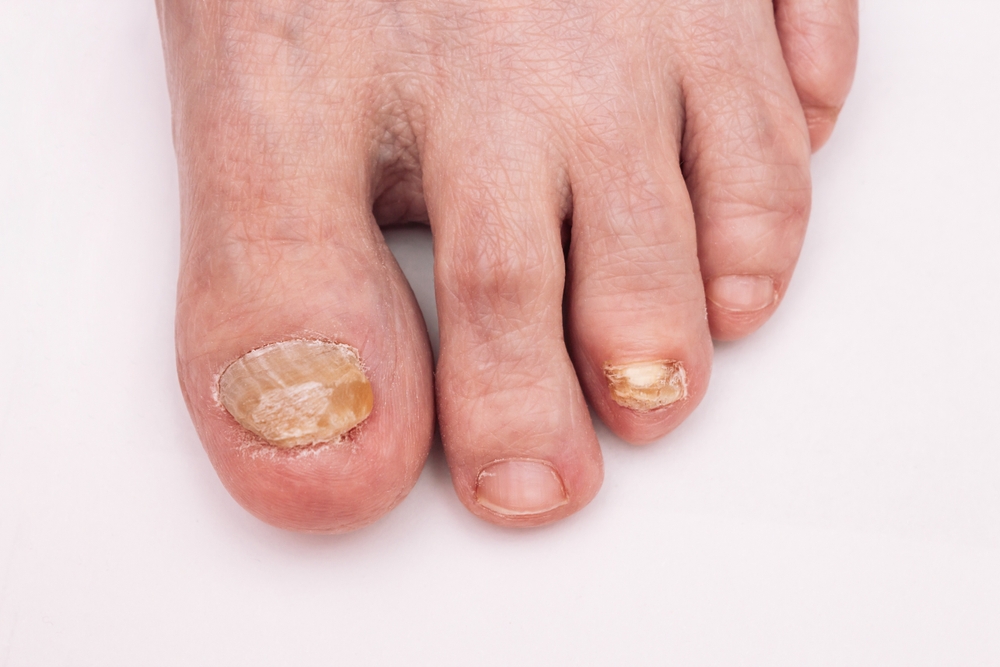
Lunula may be an option if you have toenails that are:
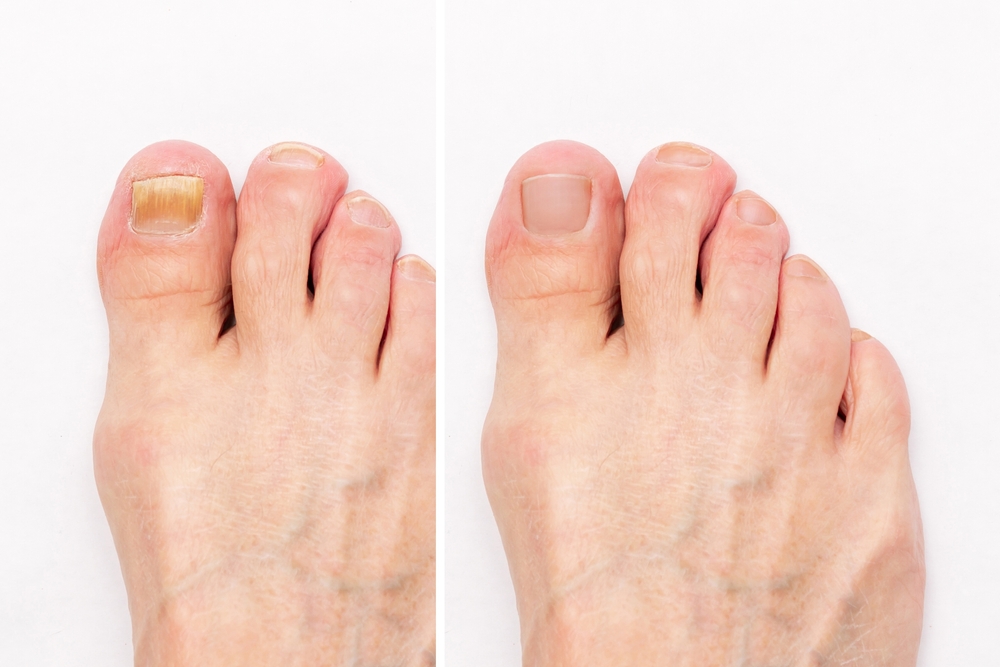
- Yellow, white, or otherwise discolored
- Thickened or distorted
- Brittle or crumbly
- Difficult to trim
- Not improving with at-home care
- Affected by recurring fungal infection
Not every thick or discolored toenail is caused by fungus. Our podiatrists will evaluate your nails first and recommend the treatment approach that makes the most sense for you.
What to Expect During Lunula Laser Treatment
1. Evaluation
We first examine your nails and determine whether fungal infection is the likely cause of the changes you are experiencing.
2. Laser Treatment
Your foot is positioned beneath the device while low-level laser light treats all toes at once. Treatment takes approximately 12 minutes per foot.
3. Return to Your Day
No incisions, anesthesia, or recovery period. You can return to normal activities immediately after your appointment.
4. Watch for Nail Growth
The damaged portion of the nail does not change overnight. Instead, a clearer nail gradually grows forward from the base as your toenail grows.
How Long Does It Take to See Results?
Toenail fungus treatment takes patience because toenails grow slowly.
Patients may begin noticing clearer nail growth within several months, but it can take approximately 9 to 12 months for a full toenail to grow out.
Your results and treatment timeline will depend on the severity of the infection, how many nails are affected, your nail growth rate, and how well you follow your recommended treatment and prevention plan.
FAQs: Toenail Fungus
How do I know whether I have toenail fungus?
Toenail fungus can cause discoloration, thickening, cracking, crumbling, or separation from the nail bed. However, injuries, psoriasis, and other nail conditions may look similar. A professional evaluation can help determine the cause.
Will toenail fungus go away on its own?
Toenail fungus usually does not clear without treatment. The infection may gradually worsen or spread to other nails. Earlier treatment may be easier than waiting until much of the nail is affected.
Is toenail fungus contagious?
Yes. The fungi that cause nail infections can spread through shared surfaces, nail tools, shoes, socks, or direct contact. Not everyone who is exposed will develop an infection.
Can toenail fungus spread to the skin?
Toenail fungus and athlete’s foot are often caused by related fungi. An infection may affect both the nails and the skin, particularly between the toes or along the bottom of the foot.
How long does toenail fungus treatment take?
Treatment time depends on the severity of the infection and the method used. Toenails grow slowly, so it may take many months for the damaged nail to grow out even after treatment has begun working.
Can toenail fungus come back after treatment?
Yes. Reinfection is possible, particularly if fungus remains on the surrounding skin, inside footwear, or on nail-care tools. Keeping feet dry, treating athlete’s foot, disinfecting tools, and following your podiatrist’s home-care instructions can help reduce the risk.

Download Our Toenail Fungus Guide
Learn what causes toenail fungus, how to recognize the signs, and which treatment options may help. Download our free guide for practical information on managing fungal nails and knowing when to see a podiatrist.
Get Help for Thick or Discolored Toenails
You don’t have to keep hiding or struggling with thick, damaged toenails. Our podiatrists can evaluate the affected nails, determine whether fungus may be present, and recommend a treatment plan based on your condition.
Schedule an appointment at our Portsmouth or Nashua office for professional toenail fungus treatment.


Pay Your Bill
Make a payment online through our payment portal or Care Credit!

Portsmouth Office
14 Manchester Square, Suite 250
Portsmouth, NH 03801
Nashua Office
17 Riverside Street, Suite 205
Nashua, NH 03062
Website Hosted by SC Digital