
Plantar Warts
Plantar Wart Treatment in Portsmouth & Nashua, NH
Get treatment for painful, stubborn, or spreading plantar warts. Northeast Foot & Ankle offers advanced in-office options to treat plantar warts and help you return to walking comfortably.

When Should You See a Podiatrist for a Plantar Wart?
Plantar warts are usually harmless, but they can become painful, spread, or remain for months or years. You do not need to wait for a wart to become severe before asking about treatment.
Schedule an evaluation if:
- The wart hurts when you stand, walk, or exercise
- It is growing, spreading, or multiplying
- It keeps returning after treatment
- You have tried home treatment without improvement
- The growth is bleeding or changing in appearance
- You are unsure whether it is a wart, callus, or another skin condition
- It is affecting your normal activities
- You would simply prefer to have it professionally treated
Contact our office before attempting home treatment if you have diabetes, poor circulation, neuropathy, a weakened immune system, or another condition that may affect healing
Featured Plantar Wart Treatments
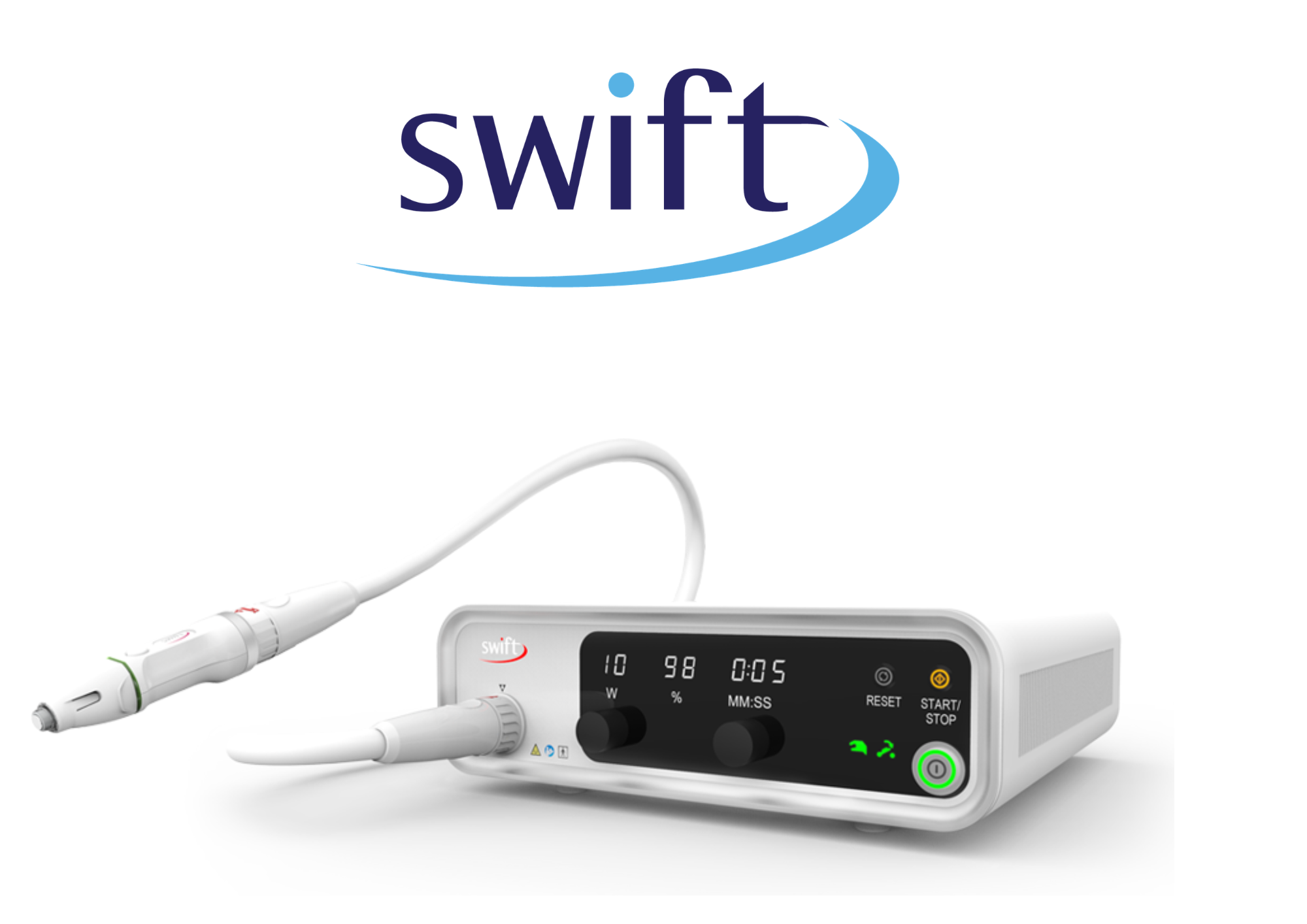
Swift® Microwave Therapy
Swift uses controlled microwave energy to stimulate an immune response against the wart. It is noninvasive and typically requires no downtime.
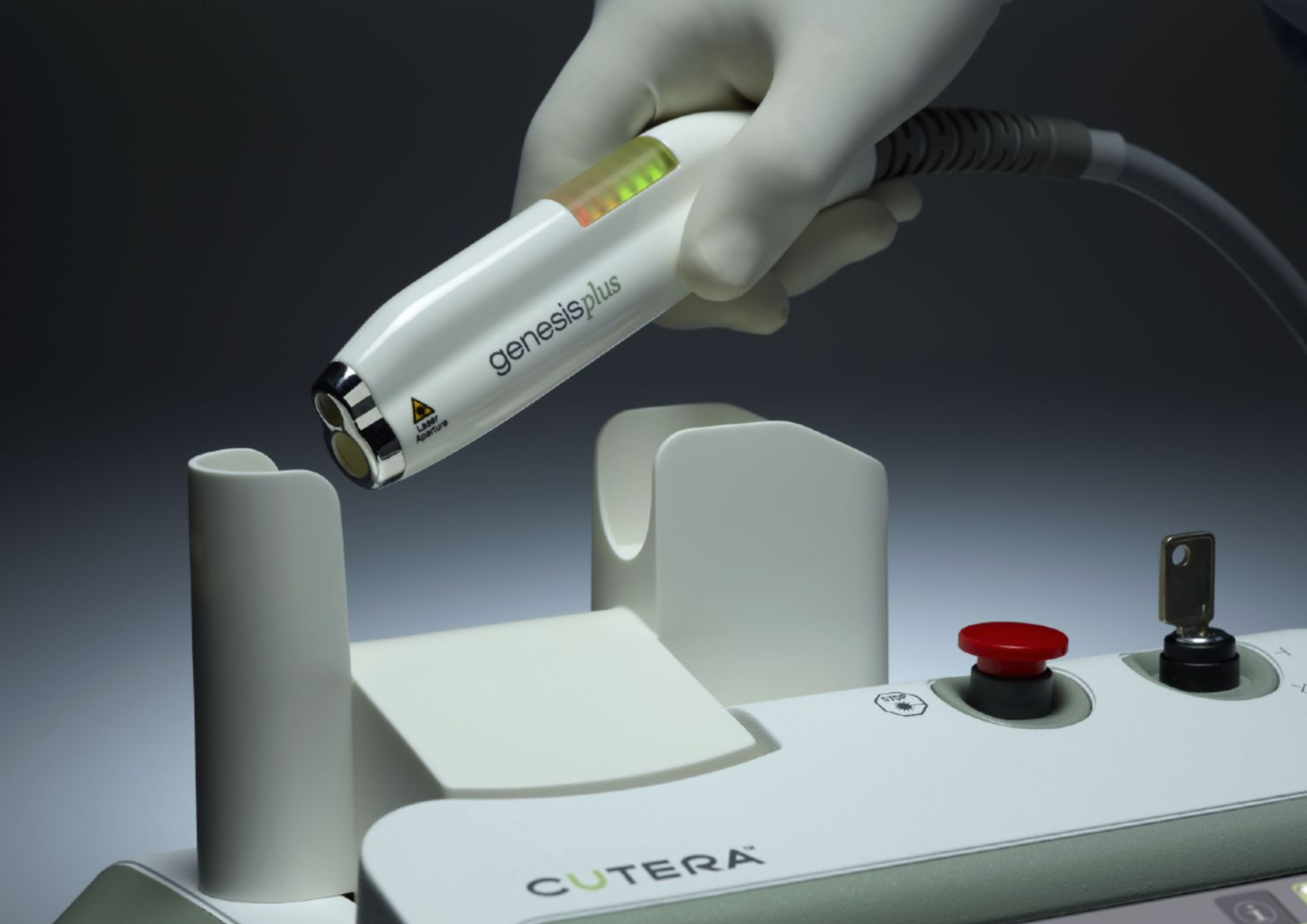
Cutera GenesisPlus Laser Therapy
GenesisPlus laser treatment targets the blood vessels supplying the wart. The wart gradually clears as the treated tissue responds.
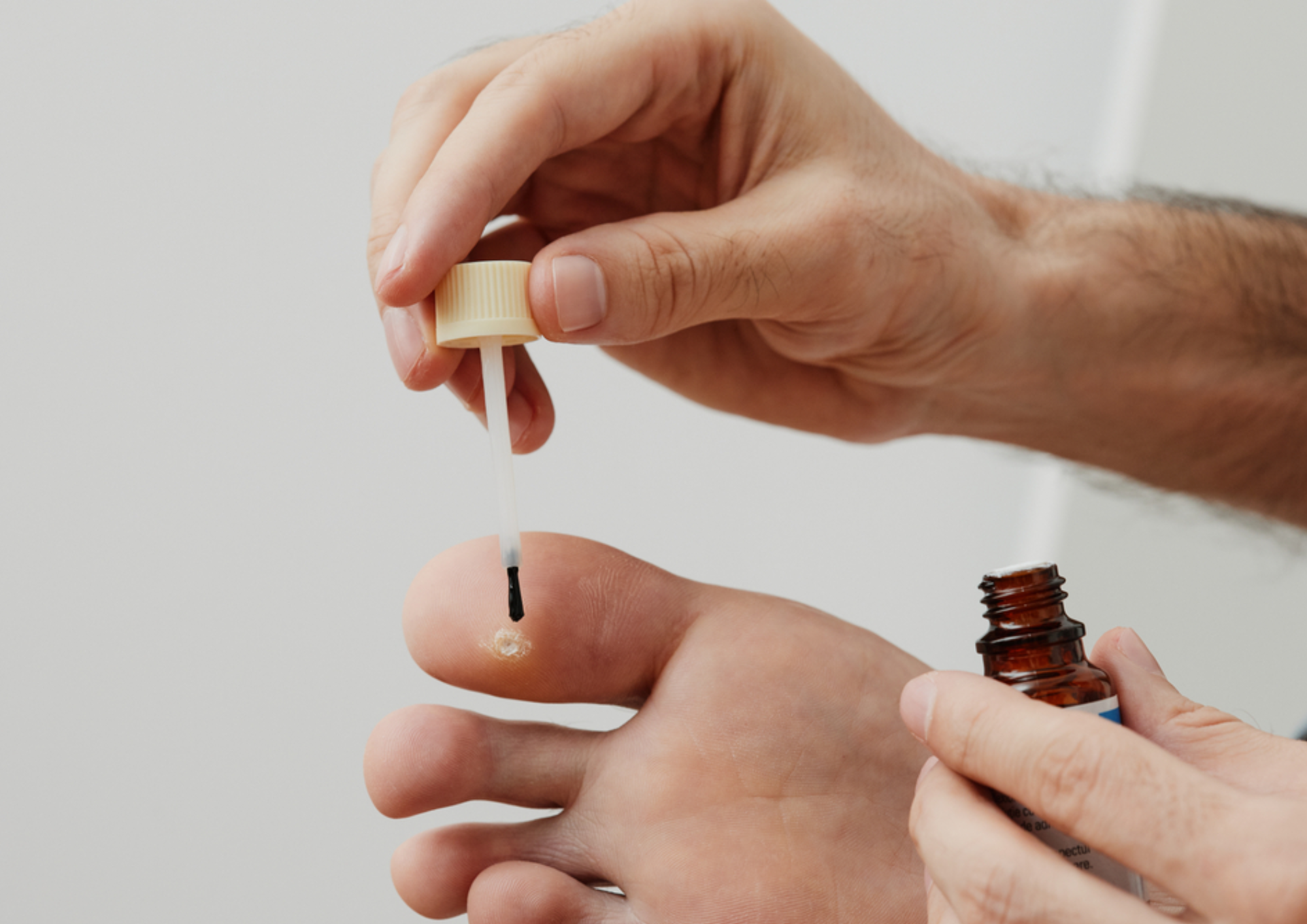
Topical Medications
Prescription topical medications may be used to break down and treat wart tissue over time. Consistent at-home application is important.
Surgical Excision
What Are Plantar Warts?
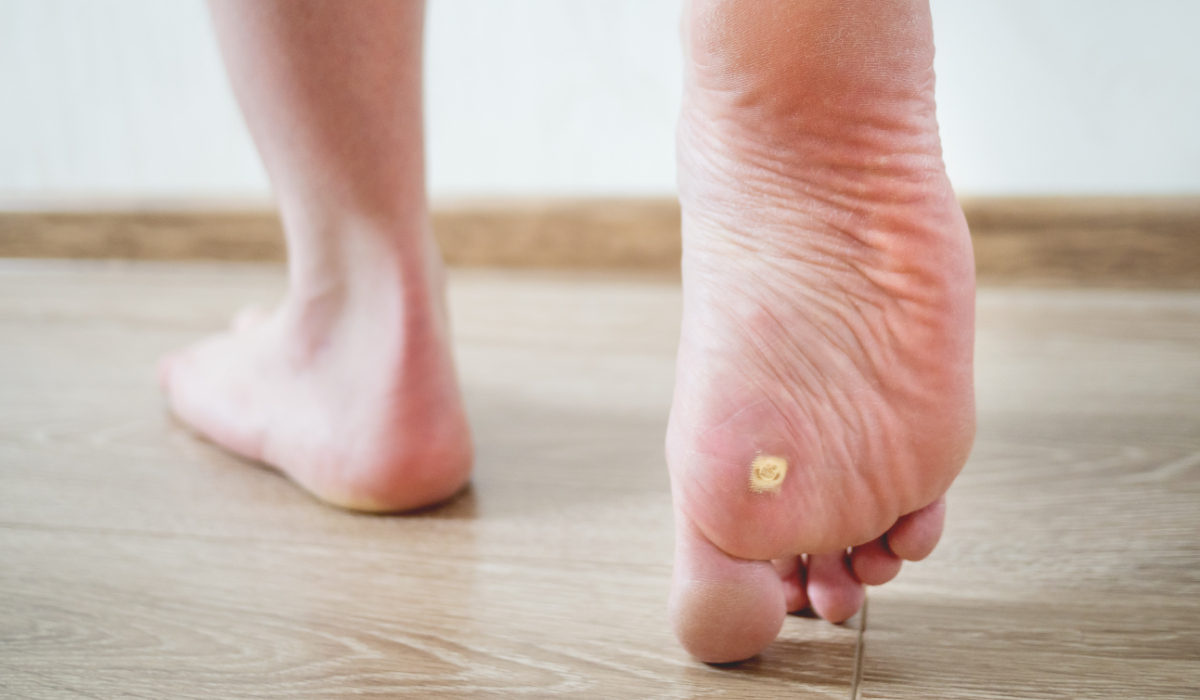
Plantar warts are rough skin growths that develop on the bottoms of the feet. They are caused by certain strains of human papillomavirus, or HPV, that enter the skin through tiny cuts, cracks, or weakened areas.
Because plantar warts frequently develop on weight-bearing areas, pressure from standing and walking can push them inward beneath a layer of thickened skin.
A plantar wart may appear as:
- A hard, flat, or rough growth
- A thickened area that resembles a callus
- A cluster of smaller growths
- Tiny black pinpoints within the growth
- An area where the normal lines of the skin are interrupted
- A tender or painful spot on the heel or ball of the foot
The small black dots sometimes called “wart seeds” are not seeds. They are tiny clotted blood vessels within the wart.
What Causes Plantar Warts?
Plantar warts develop when HPV enters the outer layer of skin through a small cut, crack, or other opening.
The virus can be encountered through direct contact or by walking barefoot in warm, damp environments where it can survive, including:
- Locker rooms
- Public pools
- Gym showers
- Shared changing areas
- Other frequently used damp surfaces
Not everyone exposed to the virus develops a wart. Each person’s immune system responds differently.
Children and teenagers, people with weakened immune systems, people who have had plantar warts before, and those who frequently walk barefoot in communal areas may be more likely to develop them.

Can You Treat a Plantar Wart at Home?
Some small plantar warts may respond to over-the-counter treatment, but improvement can take time. It can also be difficult to tell the difference between a plantar wart, callus, corn, or another type of skin growth.
Do not cut, dig into, pick at, or attempt to burn the wart. These methods can cause bleeding, infection, scarring, and further spread.
To help prevent plantar warts from spreading:
- Avoid touching or picking at the wart
- Wash your hands after applying treatment
- Do not share nail files, pumice stones, shoes, socks, or towels
- Do not use the same tools on the wart and healthy skin
- Wear sandals in public showers, locker rooms, and pool areas
- Keep your feet clean and dry
Schedule an appointment if the wart is painful, persistent, spreading, or not improving with home treatment.
What Can I Expect During Plantar Wart Treatment?
Your podiatrist will begin by examining the growth to confirm that it is a plantar wart and determine how deeply it extends into the skin. We will also ask how long it has been present, whether it is painful, and which treatments you have already tried.
Your personalized treatment plan will depend on:
- The size and location of the wart
- Whether you have one wart or several
- How long the wart has been present
- Whether it has returned after previous treatment
- Your age and overall health
- How quickly you want to resume normal activities
- Your comfort with the available treatment options
Some plantar warts require more than one treatment session. Your podiatrist will explain what to expect, whether home care is required, and when you should return for follow-up.
Get Help for Painful or Persistent Plantar Warts
You do not have to continue waiting for a painful or stubborn plantar wart to disappear. Our podiatrists can confirm the diagnosis and recommend the treatment option best suited to your condition.
Schedule an appointment at our Portsmouth or Nashua office for professional plantar wart treatment.
FAQs: Plantar Warts
Can a podiatrist treat plantar warts?
Yes. Podiatrists diagnose and treat plantar warts using options such as Swift Microwave Therapy, laser therapy, prescription topical medications, and surgical removal.
Will a plantar wart go away on its own?
Some plantar warts eventually clear without treatment, especially in children. However, this may take months or years, and the wart can become painful or spread while you wait.
How can I tell whether I have a plantar wart or a callus?
A plantar wart may interrupt the normal lines of the skin and contain tiny black dots. A callus is an area of thickened skin caused by pressure or friction. A podiatrist can examine the growth and confirm the diagnosis.
Are plantar warts contagious?
Yes. The virus can spread through direct contact, shared surfaces, or contact between affected and healthy skin. However, not everyone exposed to the virus develops a wart.
How many plantar wart treatments will I need?
The number of treatments depends on the size, number, location, and age of the warts, as well as how your body responds. Your podiatrist will recommend a treatment schedule after examining your foot.
Get Help for Painful or Persistent Plantar Warts
You do not have to continue waiting for a painful or stubborn plantar wart to disappear. Our podiatrists can confirm the diagnosis and recommend the treatment option best suited to your condition.
Schedule an appointment at our Portsmouth or Nashua office for professional plantar wart treatment.

Pay Your Bill
Make a payment online through our payment portal or Care Credit!

Portsmouth Office
14 Manchester Square, Suite 250
Portsmouth, NH 03801
Nashua Office
17 Riverside Street, Suite 205
Nashua, NH 03062
Website Hosted by SC Digital